
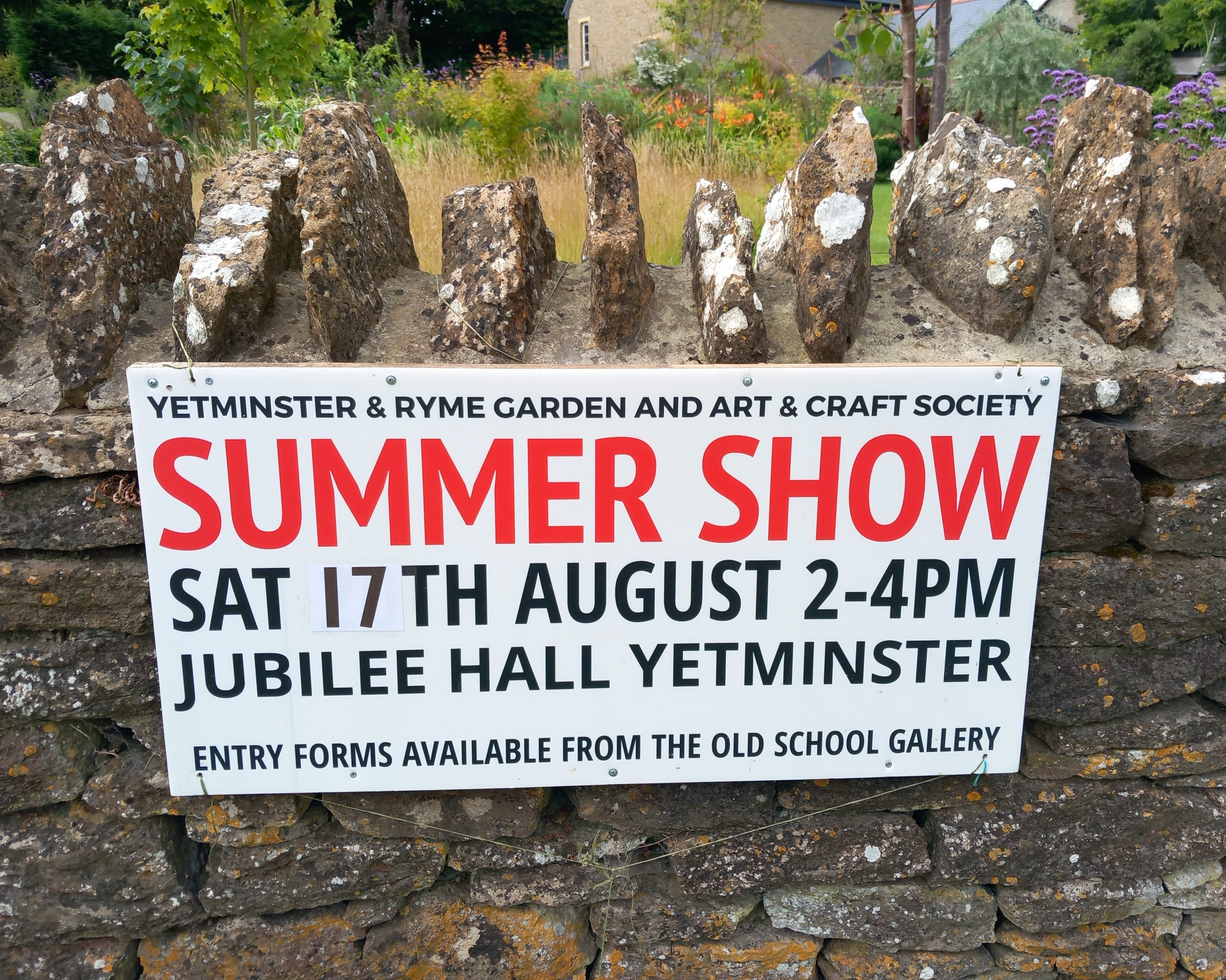
Earlier this month, the Jubilee Hall in the Dorset village of Yetminster was thronged with visitors, gathered to celebrate the annual Garden and Arts & Crafts show. This popular local event shared with nearby village Ryme Intrinseca is a chance for residents to admire displays of locally produced garden flowers, fruit and vegetables, cookery and crafts, and catch up with their neighbours over a slice of homemade cake and a cup of tea.
Organised by local garden and horticultural societies, village shows like this one are still regular fixtures across the UK over the summer months. Generally held on a Saturday, competitors deliver their entries to the venue in the morning, arranging their exhibits on trestle tables for judging. The show opens its doors to the public in the afternoon, with certificates placed next to the winning entries and towards the end of the day, trophies are awarded. Classes for vegetables, fruit, and flowers are published well in advance of the show, along with competition rules that must be followed closely if an entrant is to stand a chance of winning a prize.
This year at Yetminster, there were sixteen classes for vegetables, each reflecting crops ready for harvest in mid-August. Runner beans, ripe tomatoes and cucumbers arranged in pairs looked impressive, as did potatoes, onions and a single golden pumpkin. In the fruit section an enormous bunch of grapes beautifully displayed on a bed of vine leaves took a first prize, alongside displays of the new season’s apples and plums, and a mouth-watering selection of berries.
In the section for flowers there were classes for sweet peas, roses, dahlias and pansies or violas, where all the stems must be home grown. Class 34, A Mixed Vase of Garden Flowers was one of the most popular with competitors, each arrangement overflowing with late season blooms. The fiery yellows and oranges of sunflowers, rudbeckia and crocosmia seemed to radiate summer heat, and stems of Japanese anemones, roses, dahlias, phlox, leucanthemum and asters were reminders of the continuing abundance of the flower garden from late August into autumn.
My Garden in a Box was another popular class, inviting growers to show the best from your garden to include any vegetables, fruit and flowers, arranged as an attractive presentation in a basket or box not exceeding 14 inches at the longest measure. This broad category encourages creativity and enables entrants to build a narrative around their garden.
The winning box combined runner beans, tomatoes and beetroot, two onions, their tops expertly tied with raffia, a dish of raspberries and a container of garden flowers, allowing us to imagine the owner’s well-tended and productive plot. Another entrant arranged roses, sweet peas and a truss of perfectly ripe cherry tomatoes to spill over the edge of a gingham-lined wicker basket, filled with fruit and French marigolds, as if arranged for a summer picnic on the lawn.
This class also provides potential for humour. Celia Brayfield’s entry centred on a trio of enormous plastic slugs, with paper speech bubbles detailing their impatient wait for their ‘pub’ to open – a beer trap contained in a flower pot – and their malevolent delight having eaten all the beans. This garden was represented by a basket filled with apples and decorated with hydrangeas, phlox and sweet peas, some of the few flowers these creatures seem to avoid. Recently on the BBC’s Gardeners’ World presenter Monty Don reminded us how we can, at times, be over serious about our gardens, so I’m sure he would have approved of this entry’s well deserved third prize.
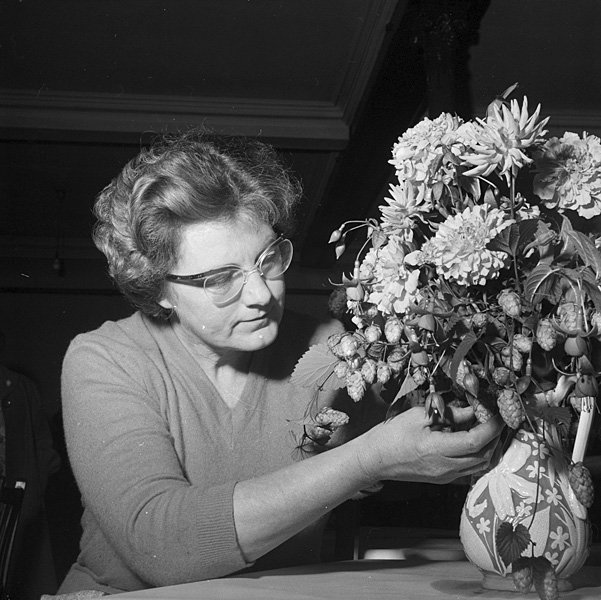
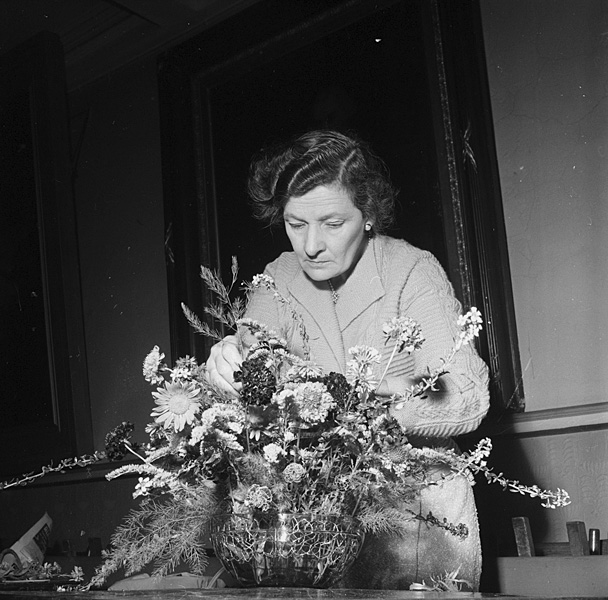
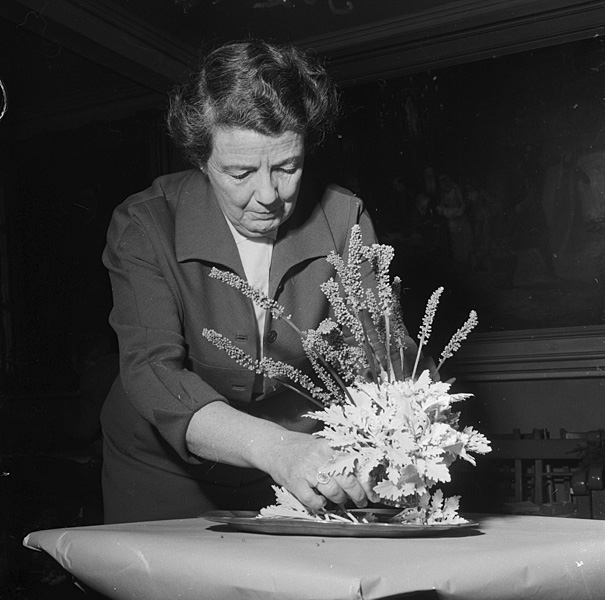
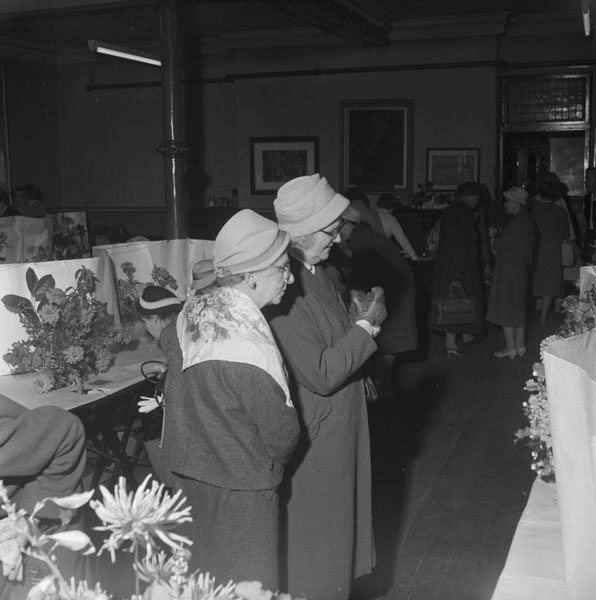
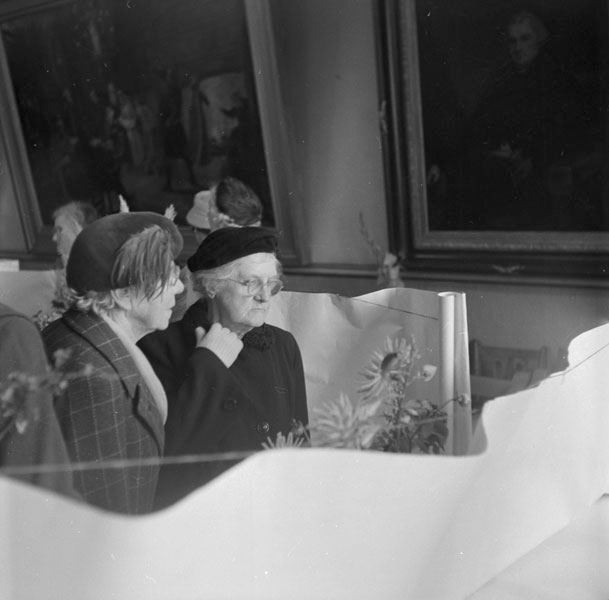
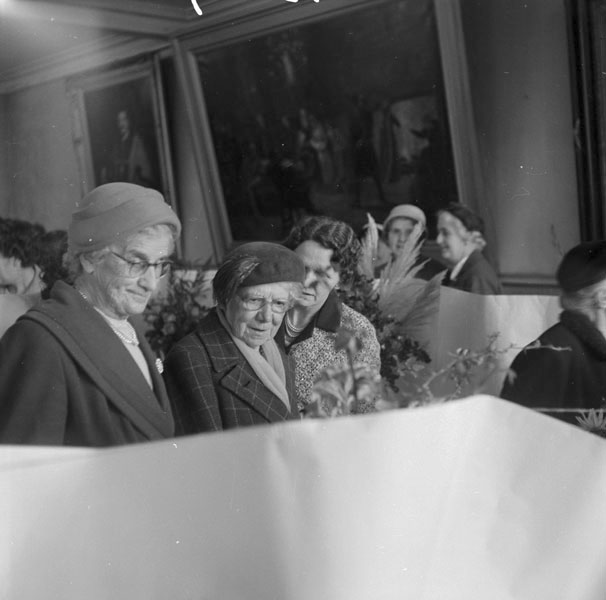
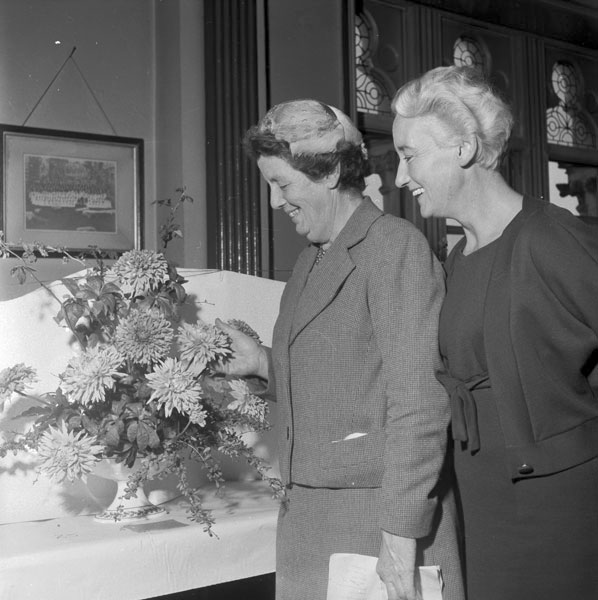
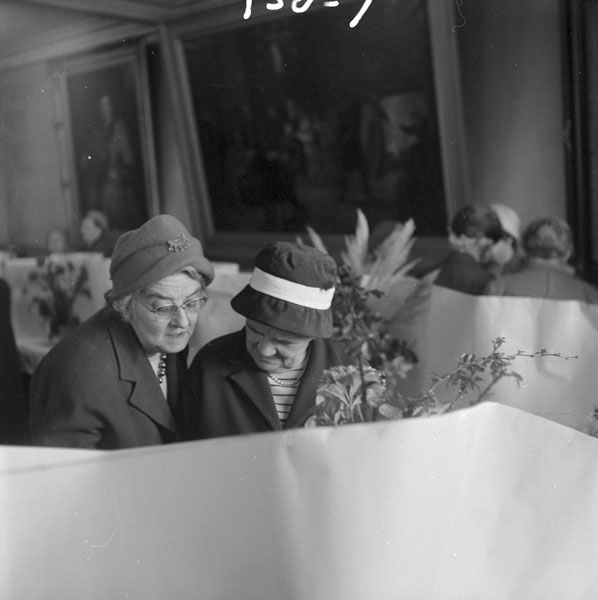
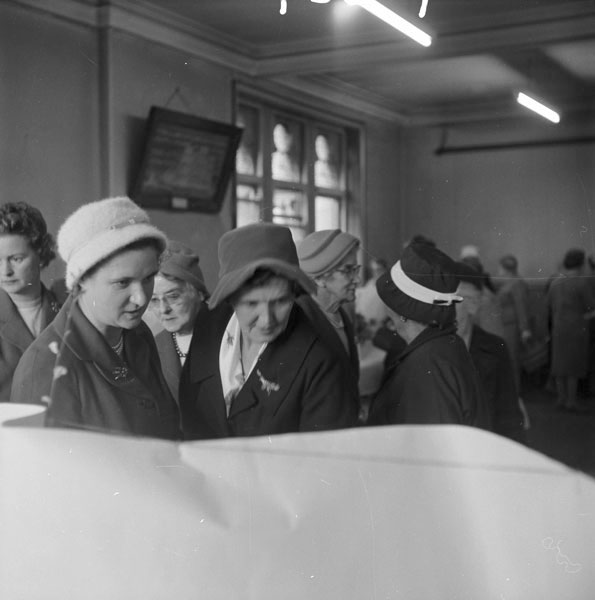
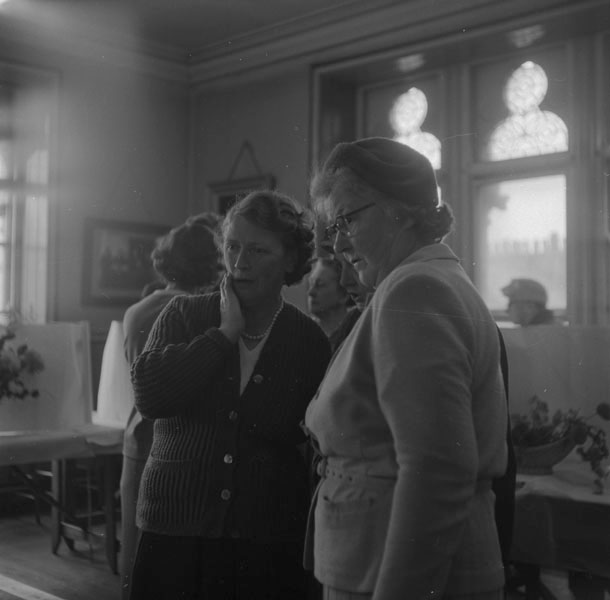
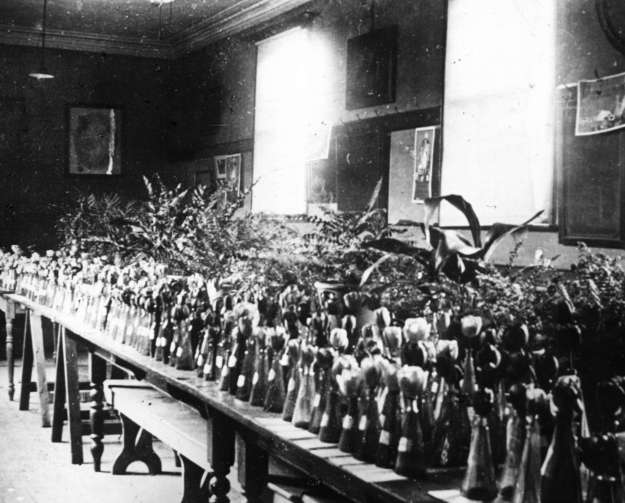
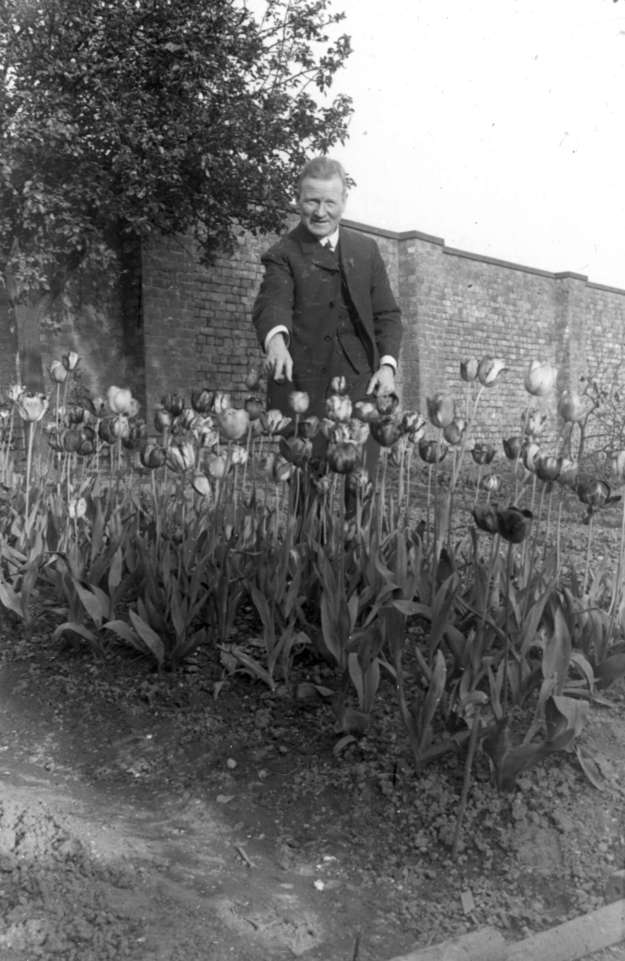
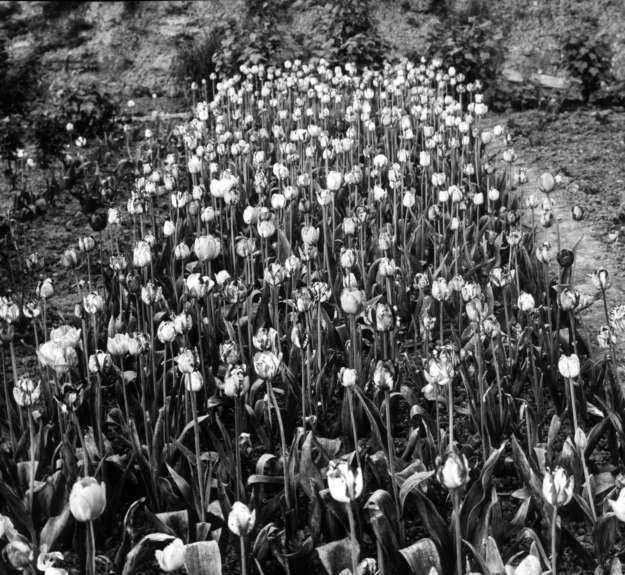
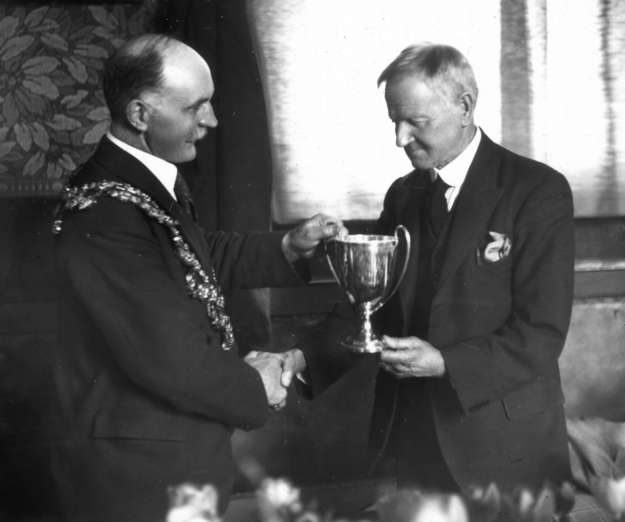
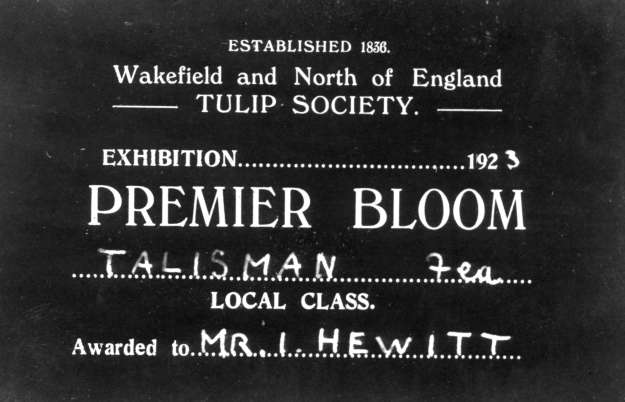
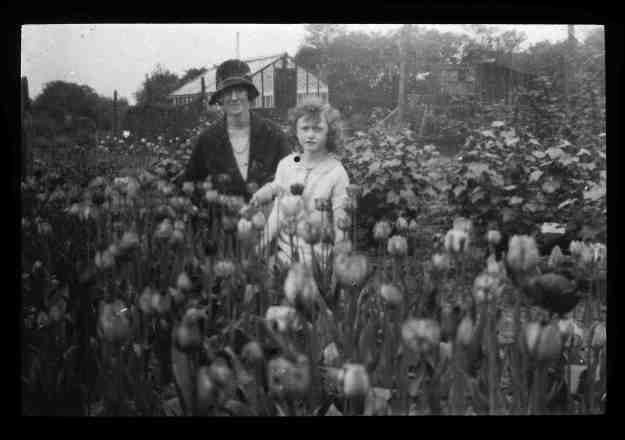
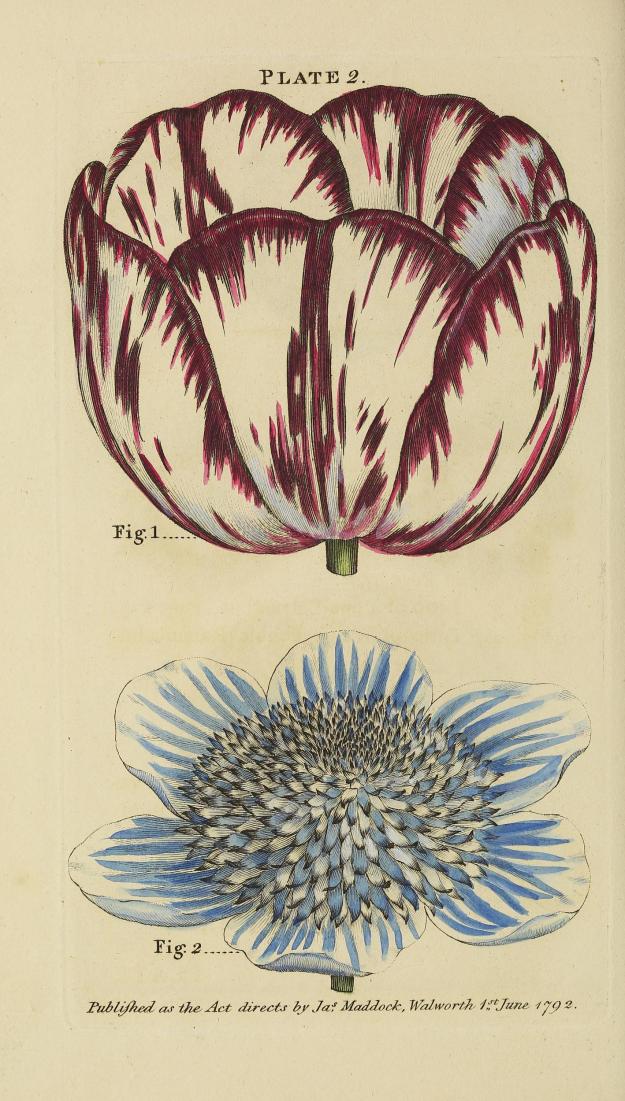
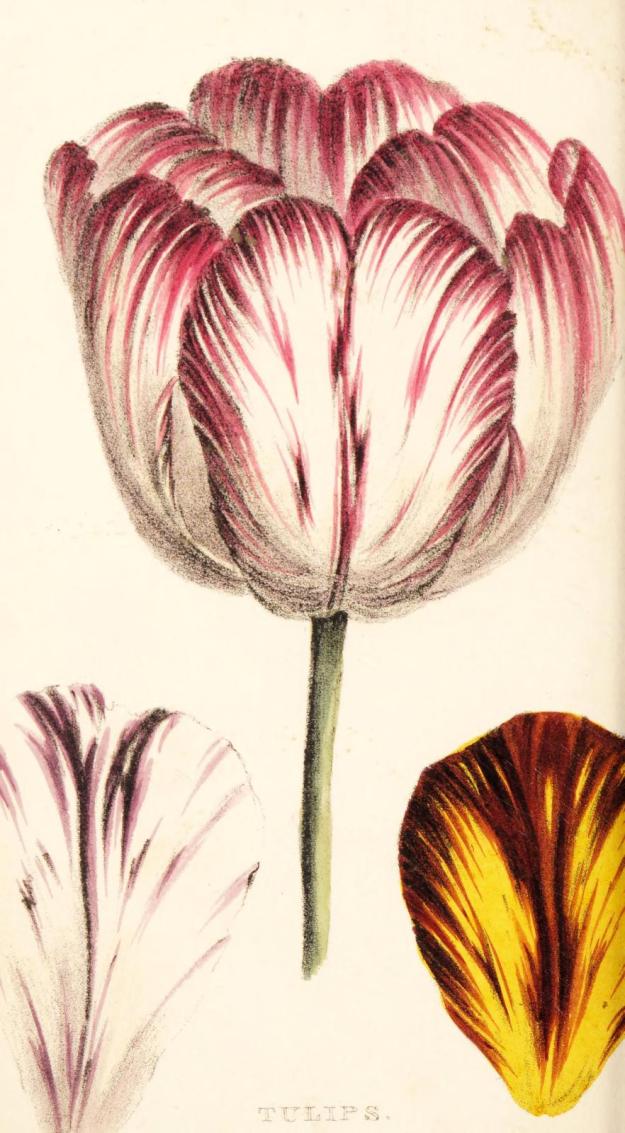
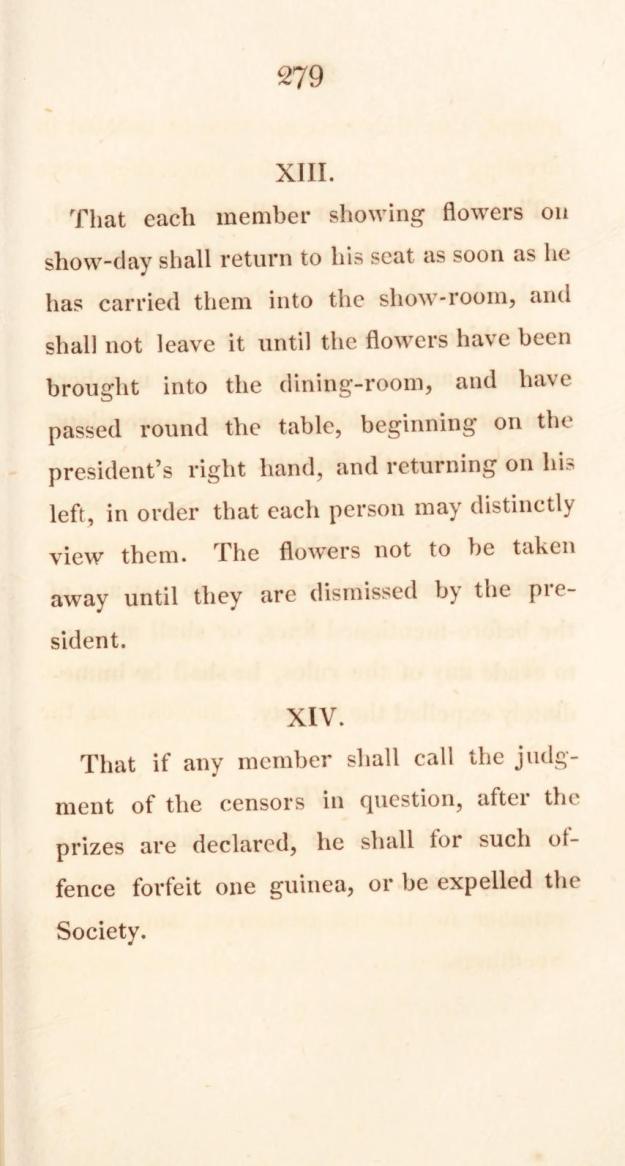
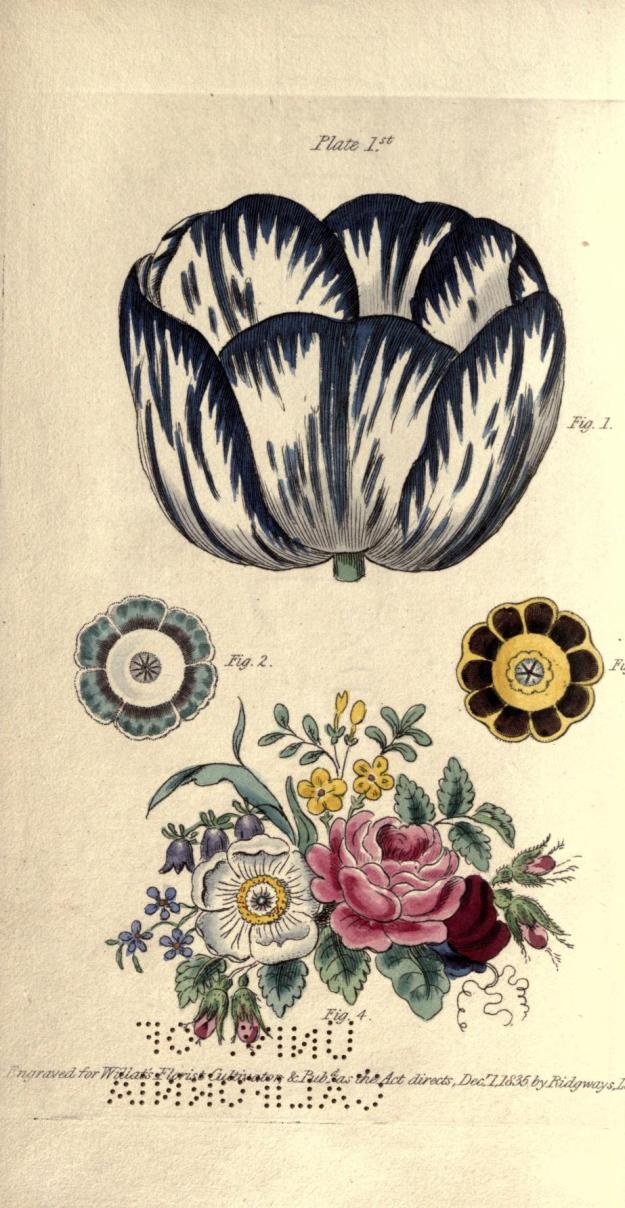
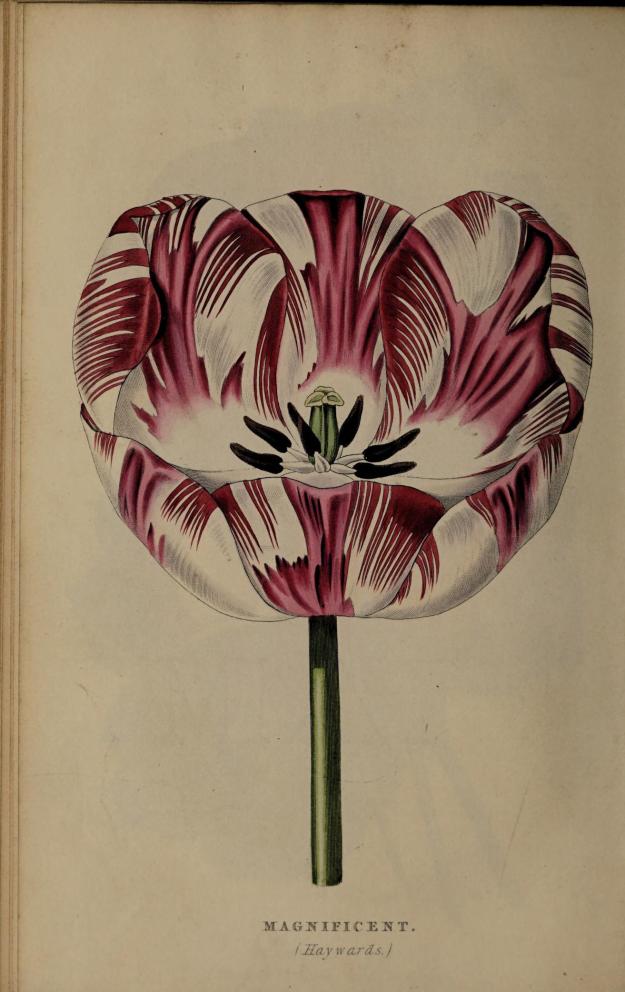
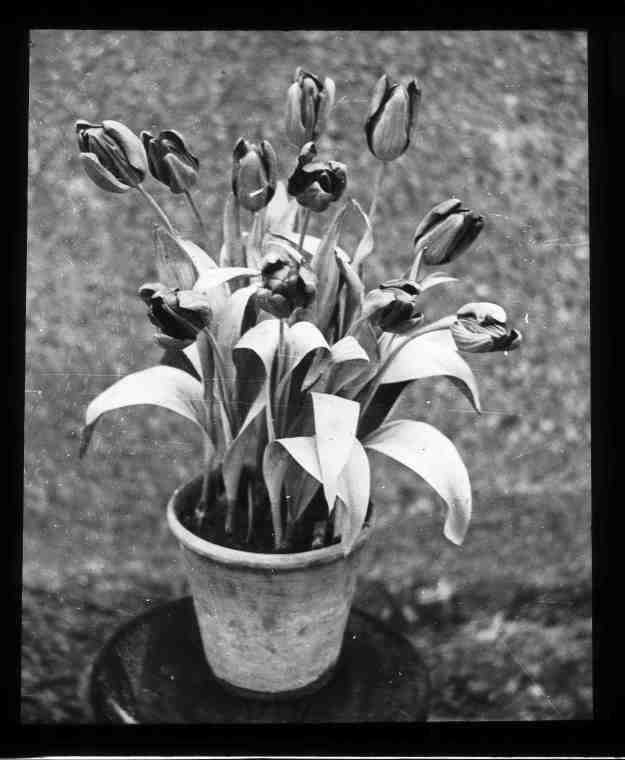
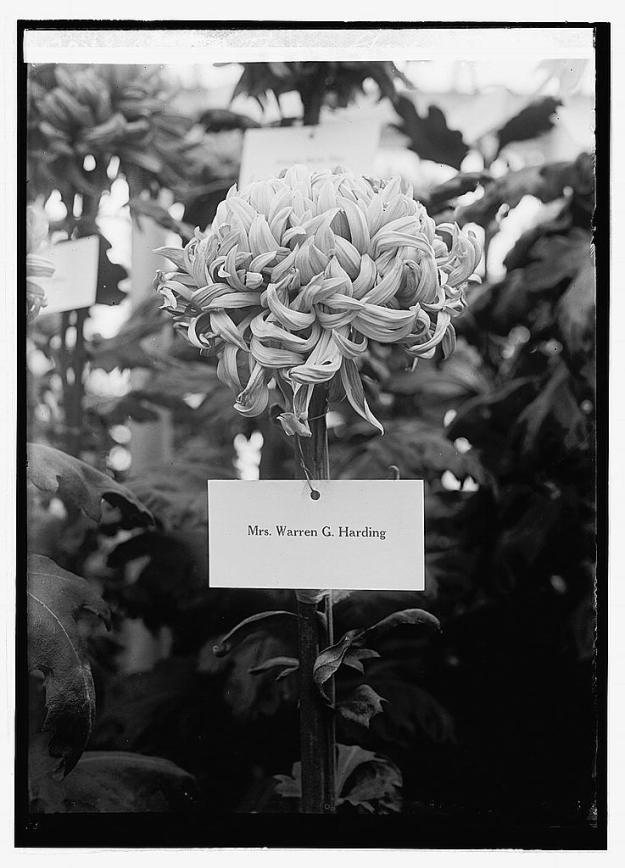
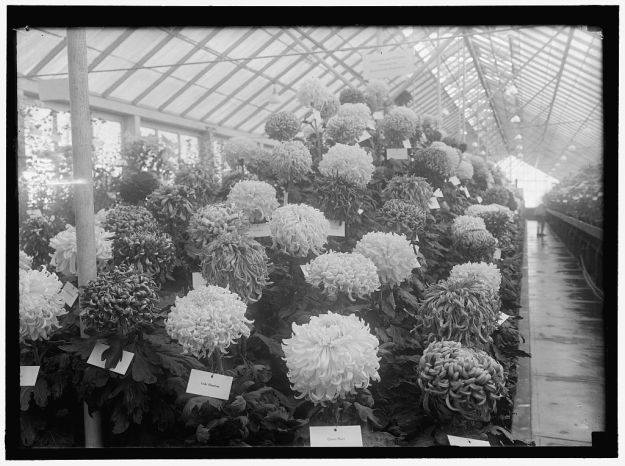
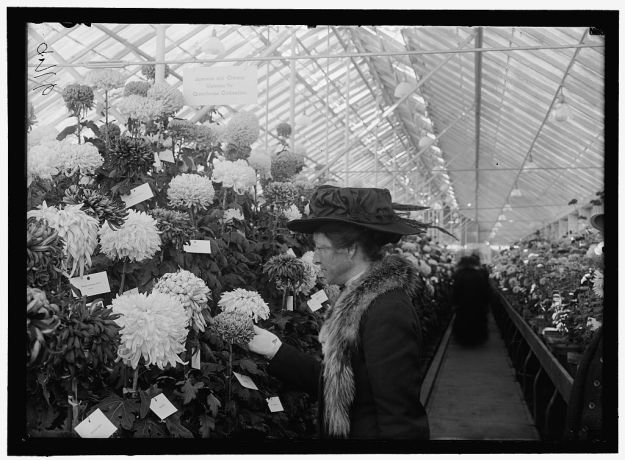
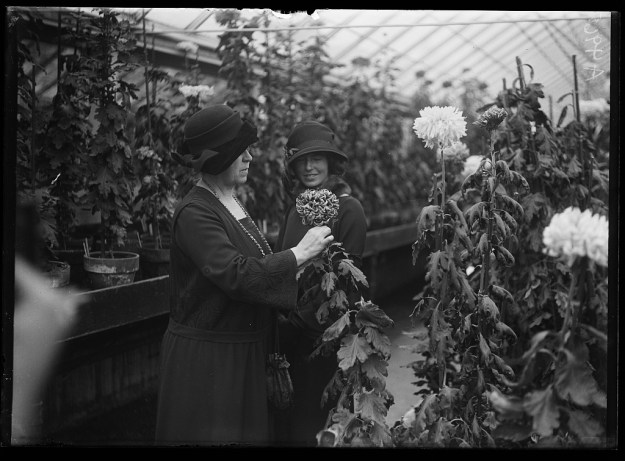
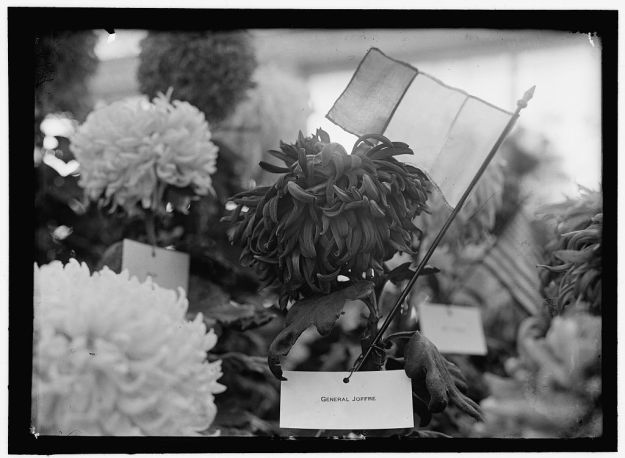
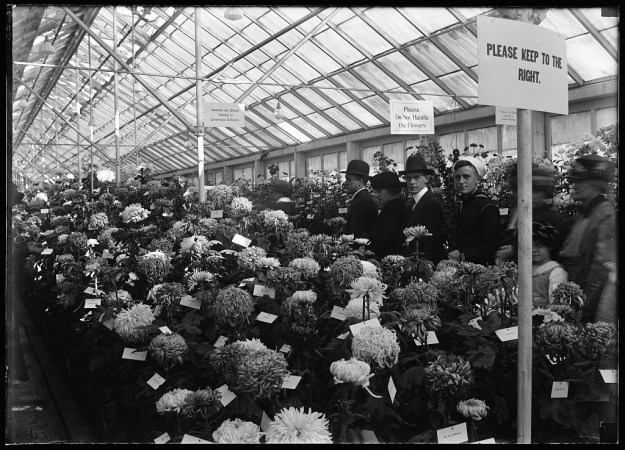
The flower show in the UK has a rich history, dating back to the florists’ societies of the seventeenth and eighteenth centuries, when auriculas, carnations and tulips were popular flowers to grow and exhibit. Floriculture, or the cultivation of flowers for show, increased in popularity into the nineteenth century as these events evolved to include new plant introductions such as dahlias and chrysanthemums.
In urban centres, the tradition of local flower shows saw a decline in the twentieth century. But in rural locations, gardening clubs and horticultural societies have been the guardians of the village flower show, preserving its spirit of competition, fun, and its role as an important social event.
As well as organising their excellent show, Yetminster & Ryme Intrinseca Garden and Arts & Crafts Society holds regular meetings of interest to gardeners throughout the year. Details below:
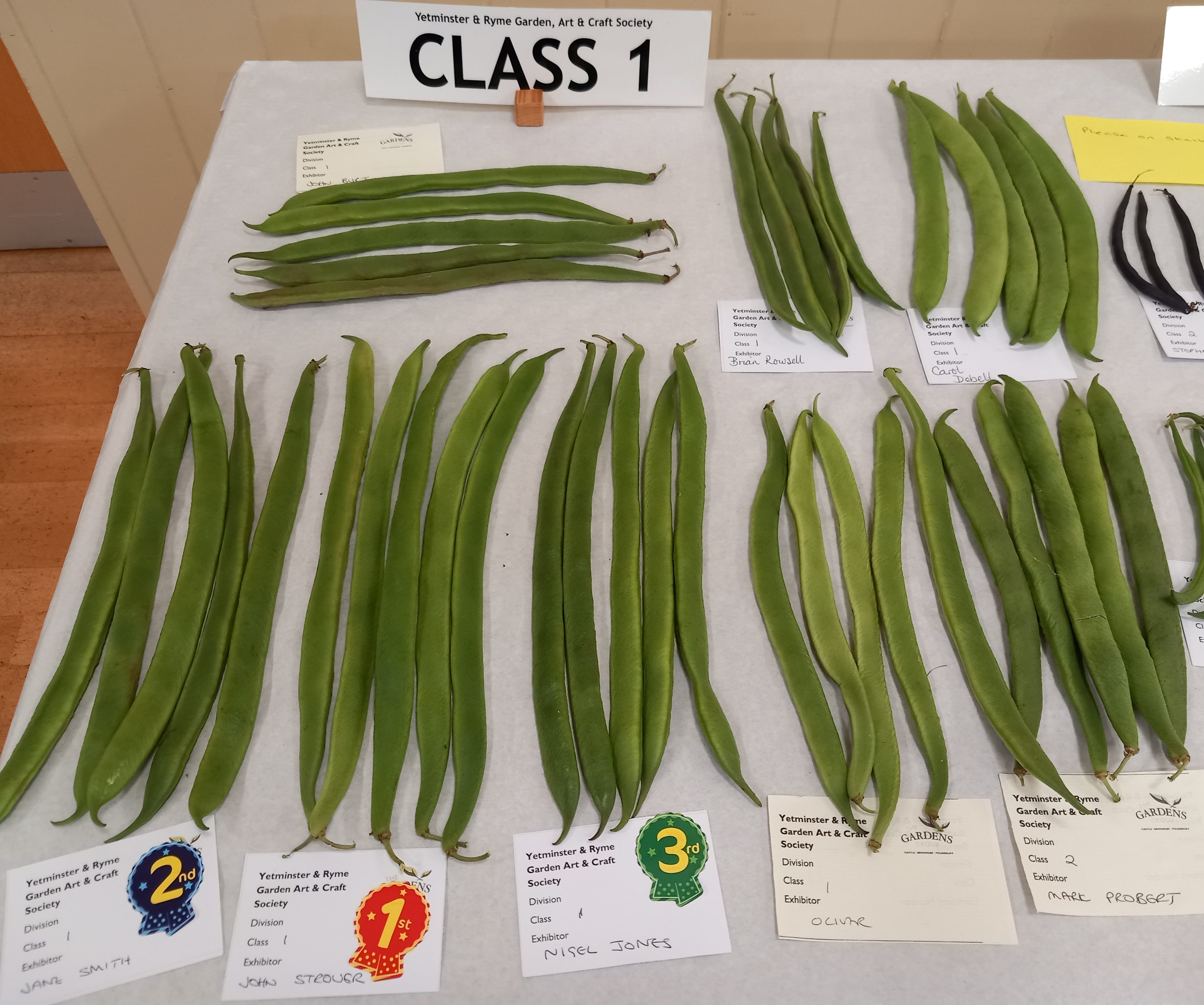
Class 1 Runner Beans, 5 Pods
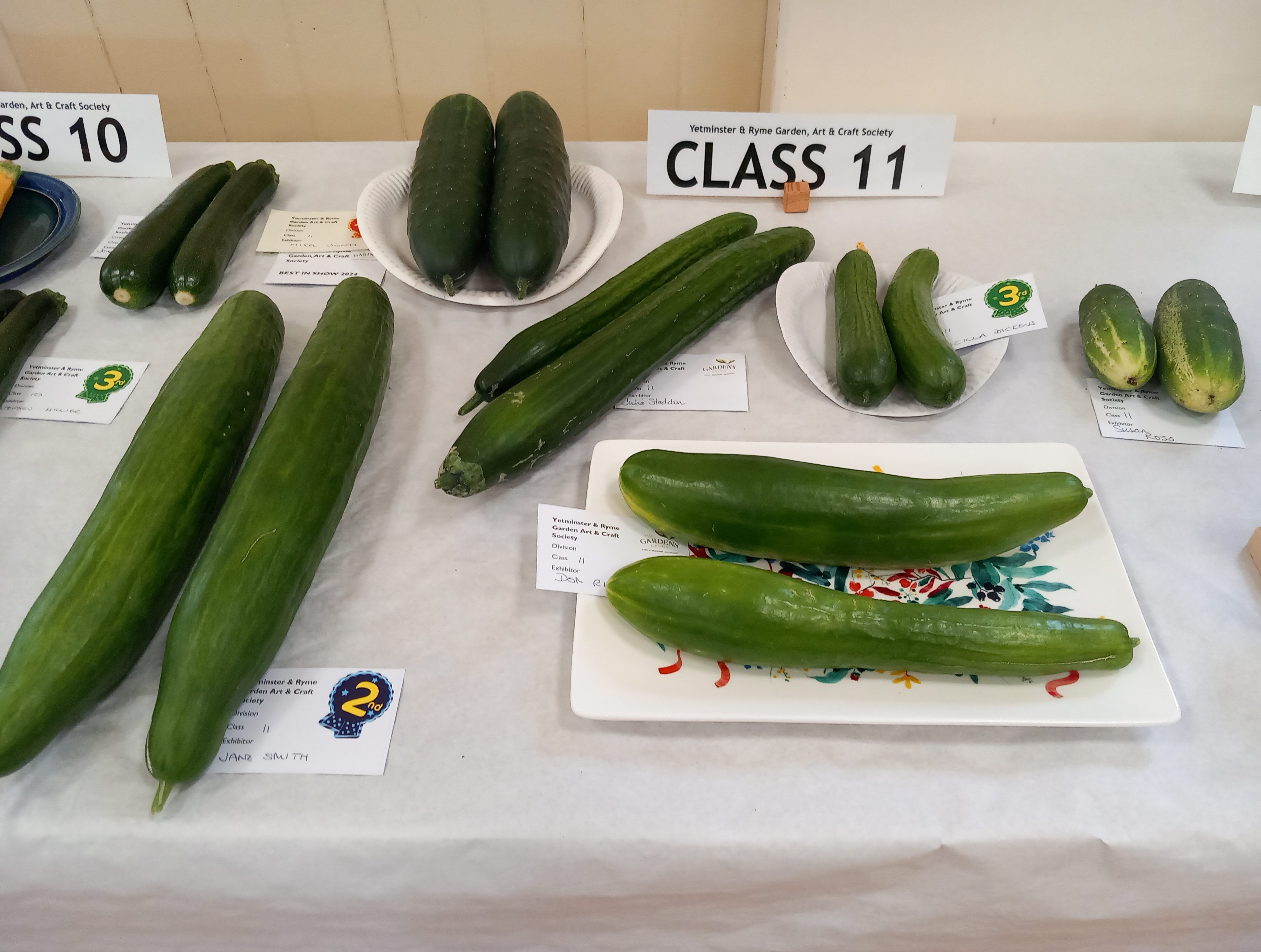
Class 11 Cucumbers 2 of one variety

Class 7 Tomatoes: non-cherry type 5 of one variety
Class 8 Truss of cherry tomatoes
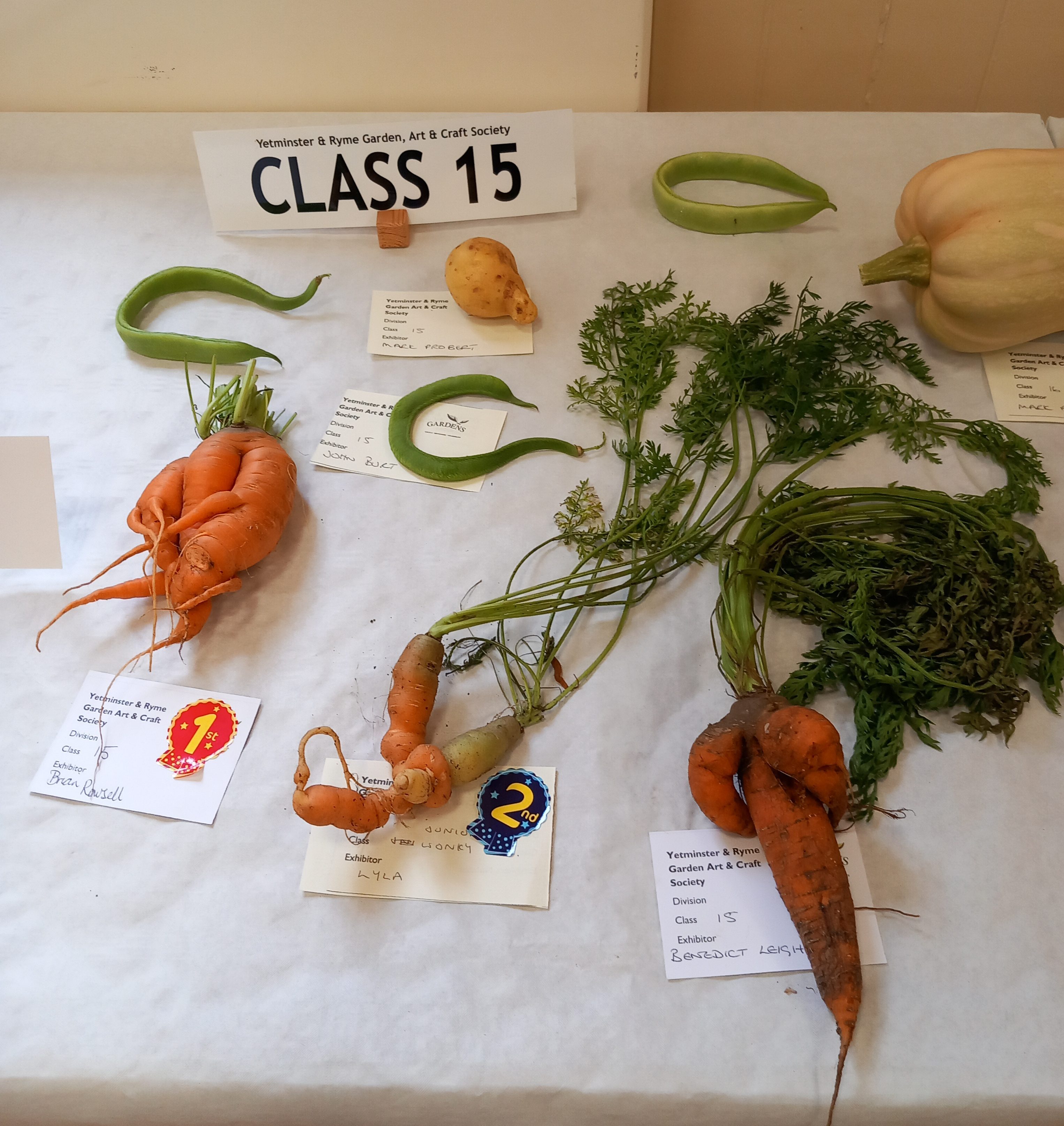
Class 15 A Wonky Vegetable
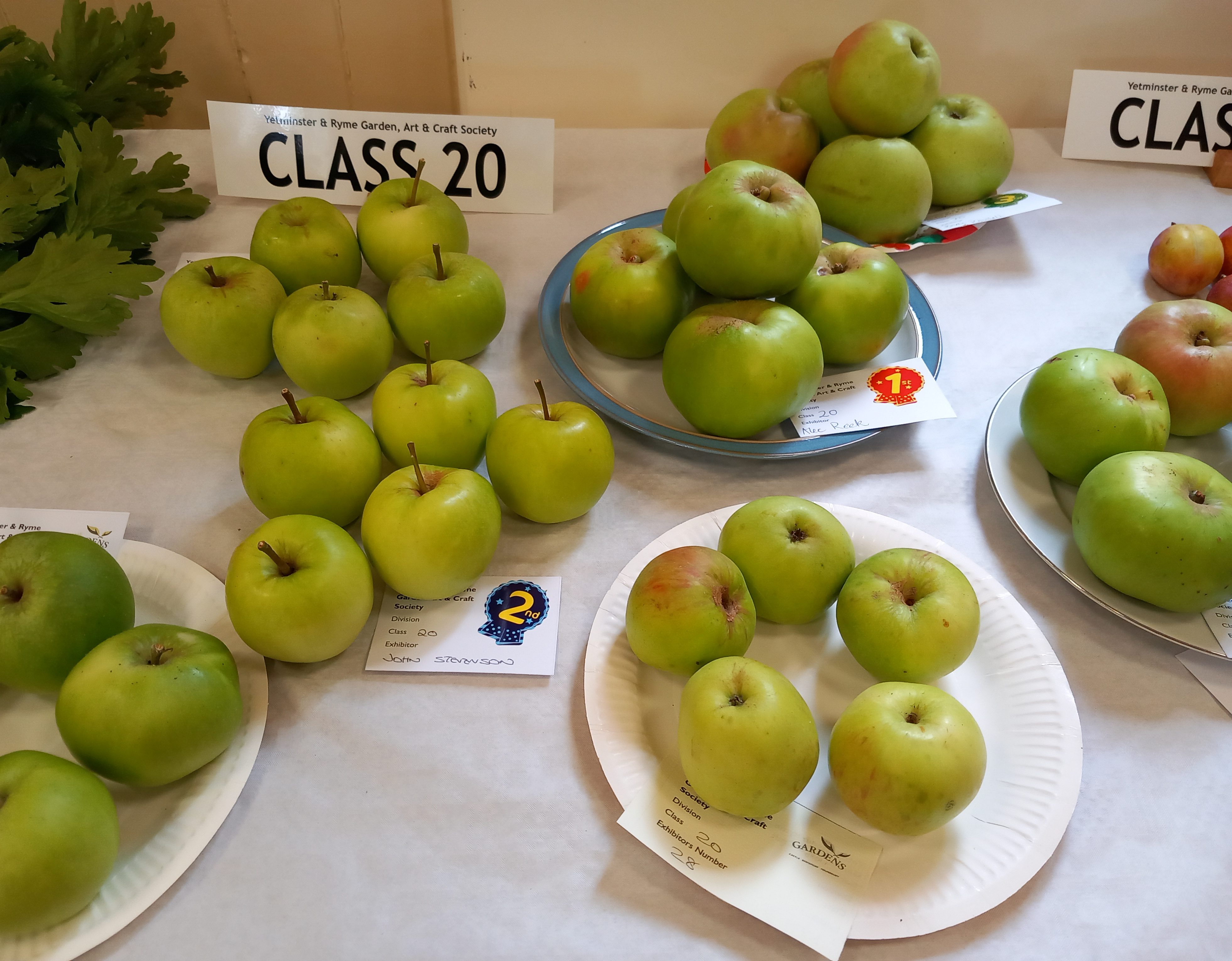
Class 20 Apples Dessert or Cooking 5
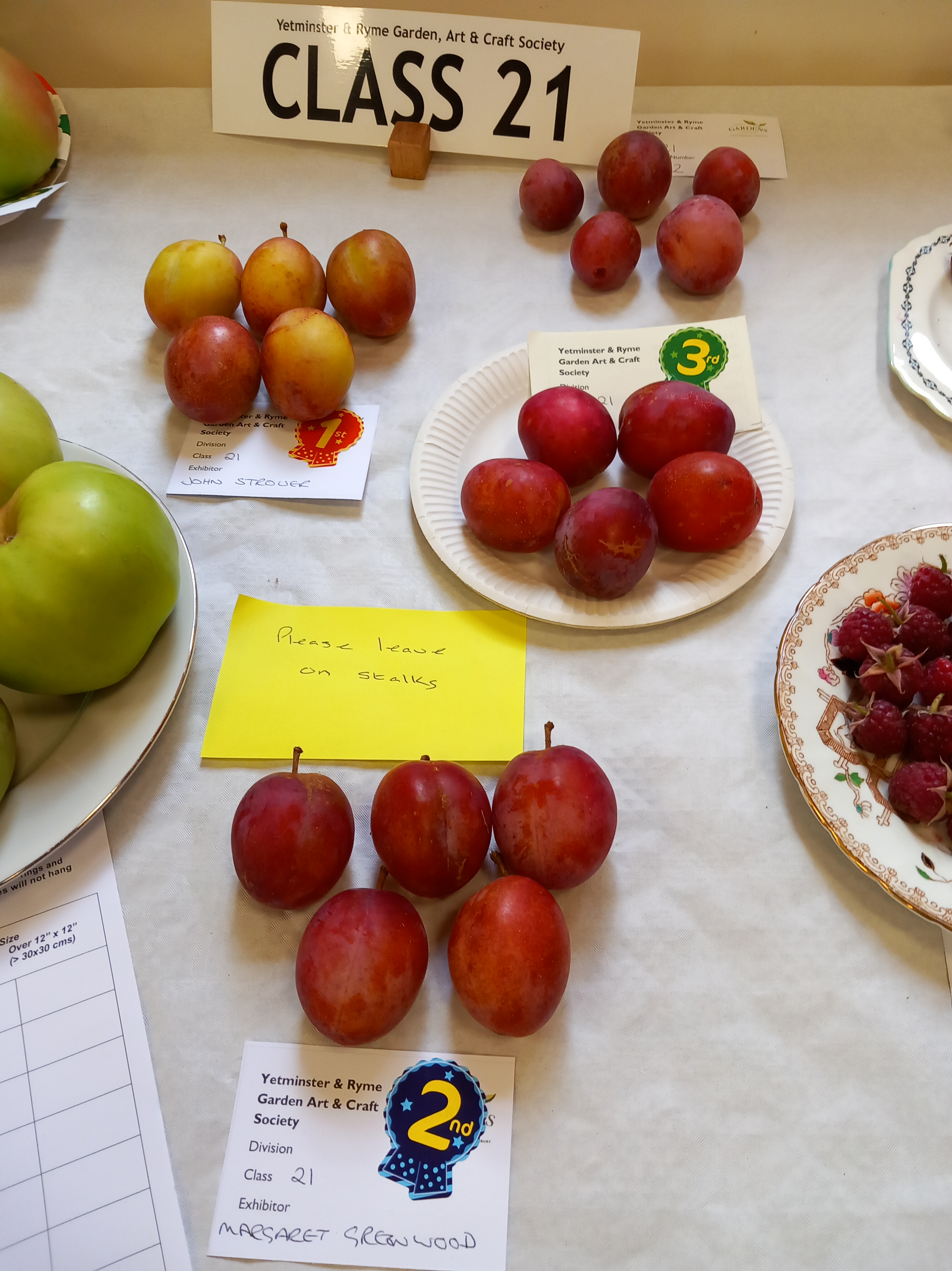
Class 21 Plums or Gages 5
A yellow post it note reminds one competitor that stalks are supposed to be left on the entries.
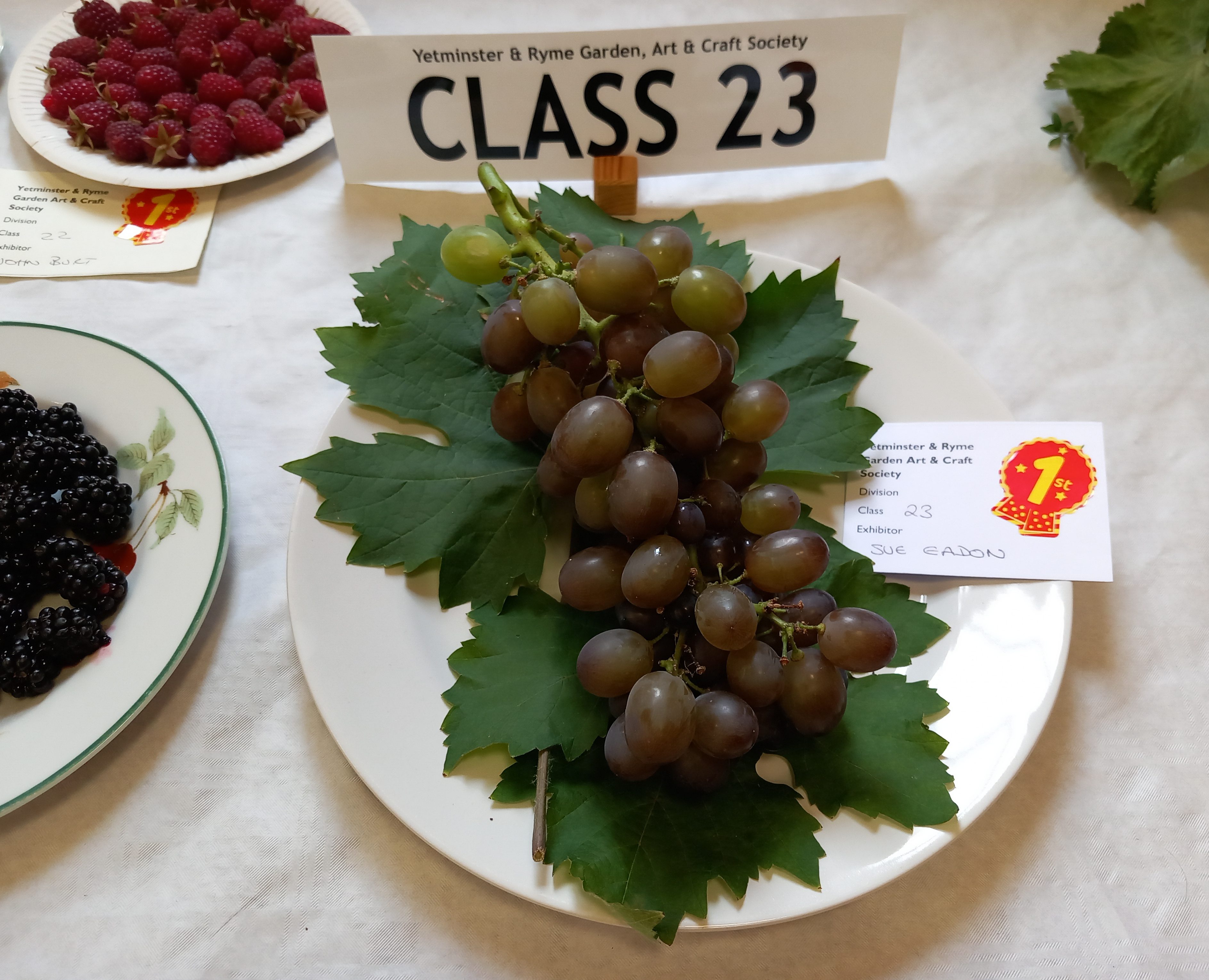
Class 23 Dish of Fruit of one kind not above (ie. apples, plums and soft fruit)
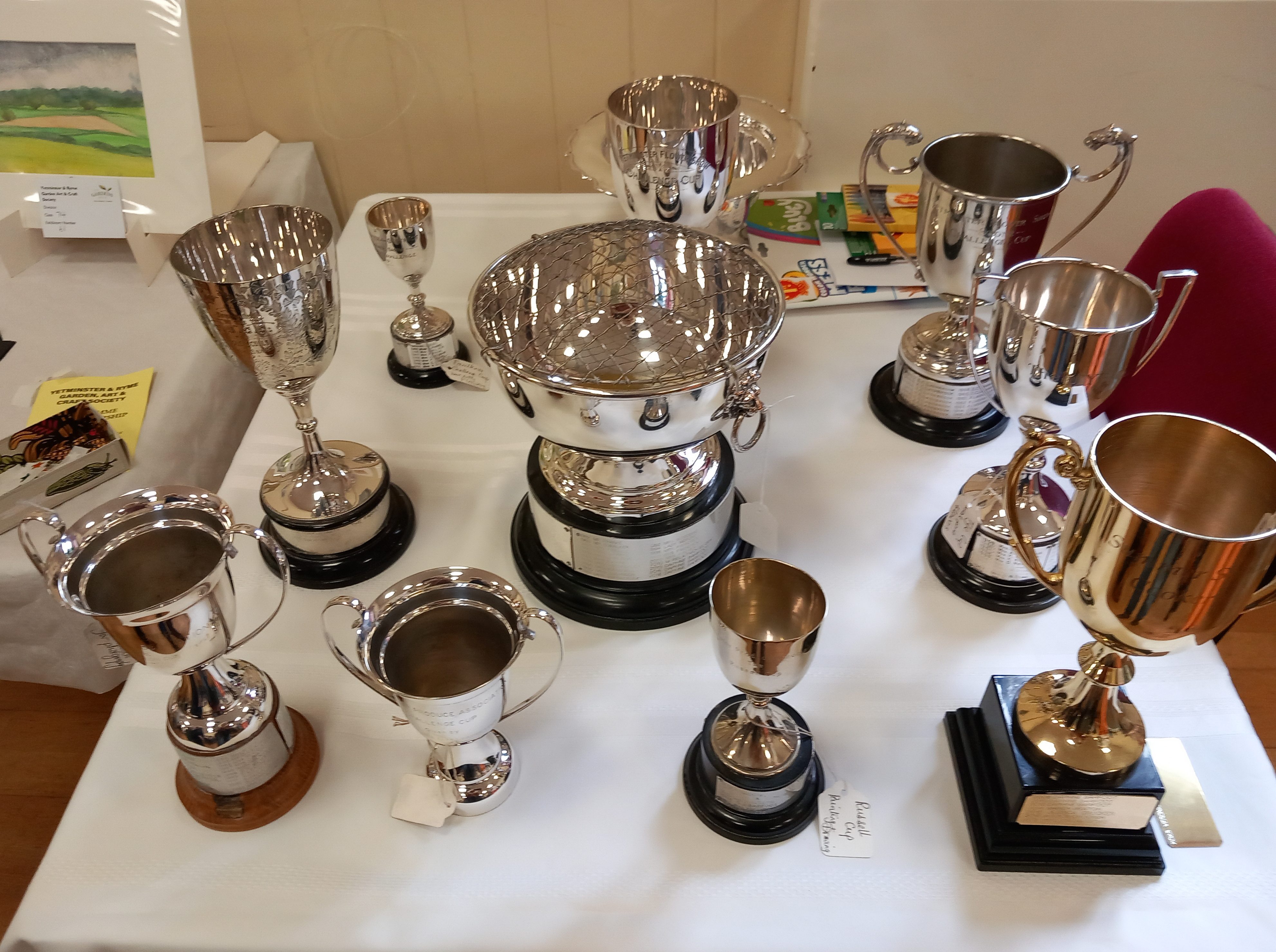
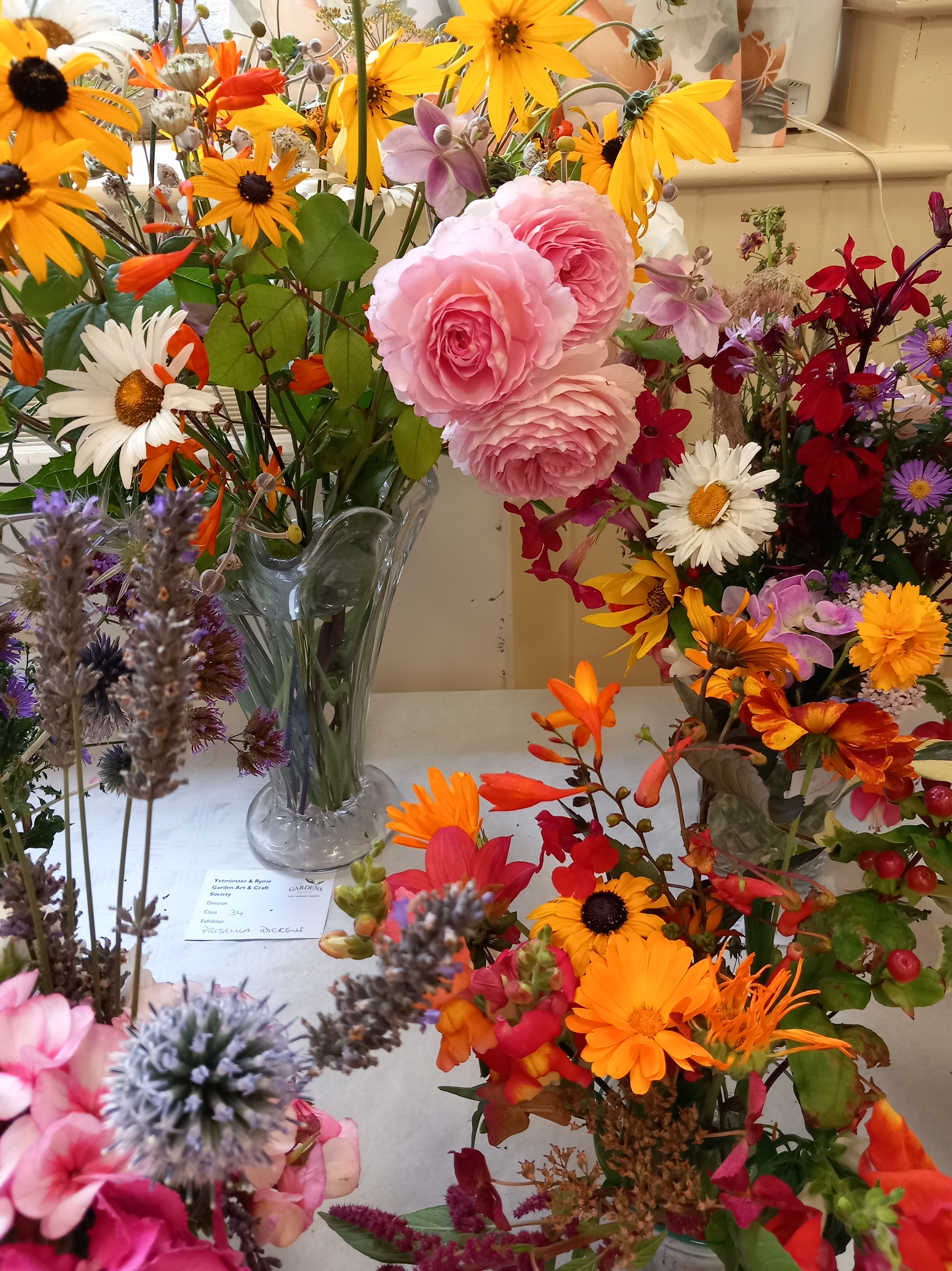
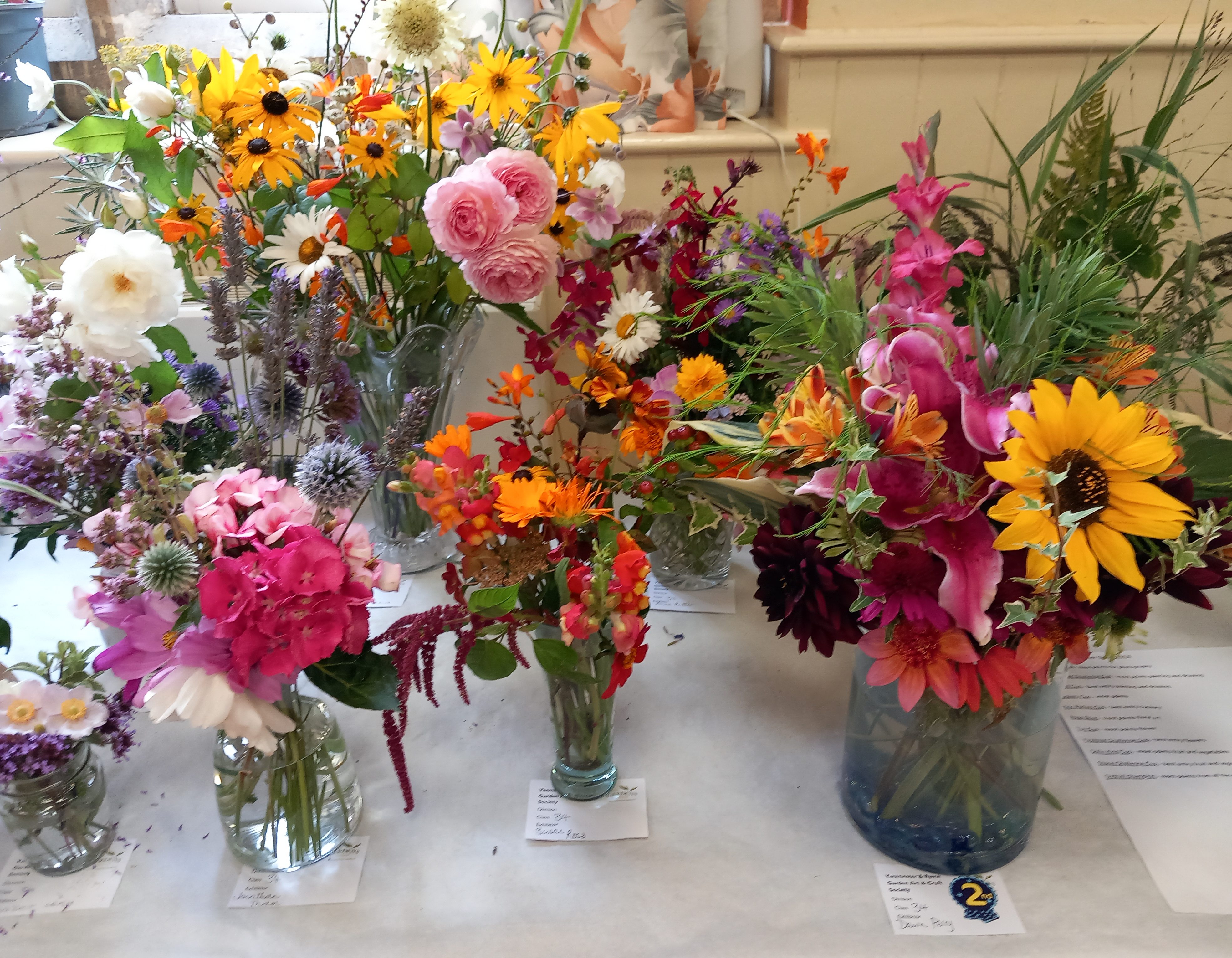
Class 34 Mixed Vase of Garden Flowers
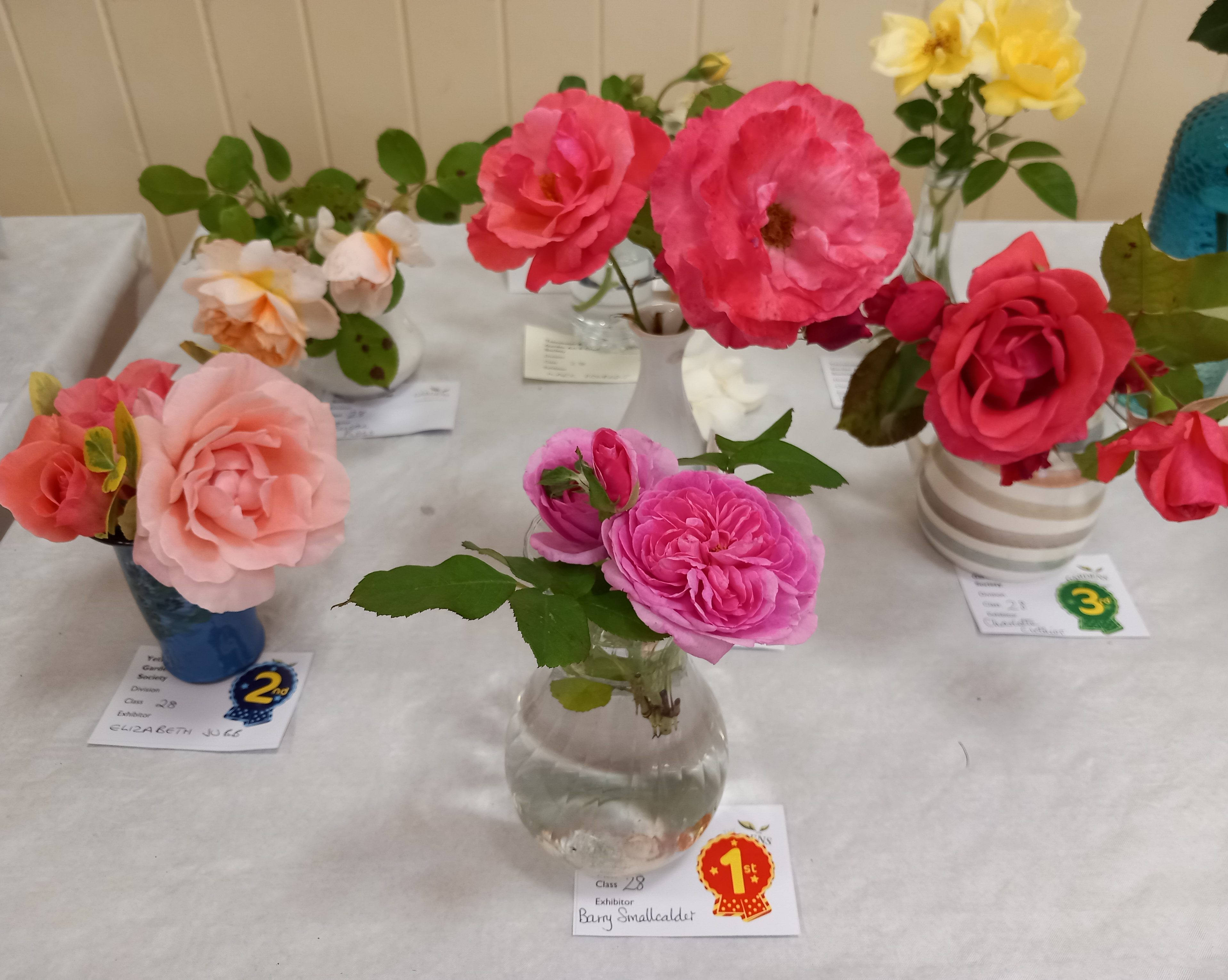
Class 28 Three stages of a rose. Three stems from the same rosebush to include a bud, a half bloom and full bloom with their own foliage. This prize winning rose looks like it might be ‘Gertrude Jekyll’
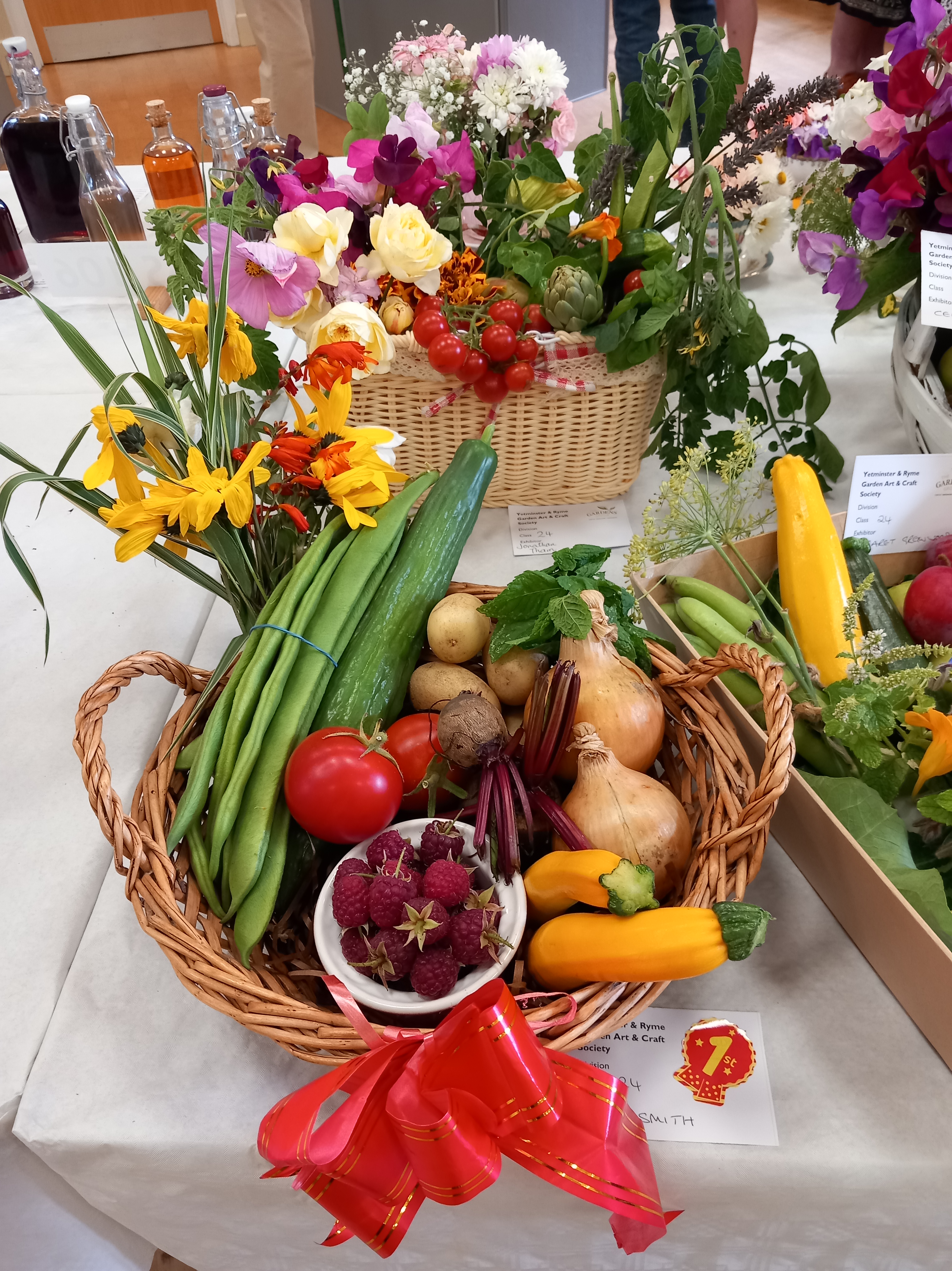
Class 24 My Garden in a Box Winning entry
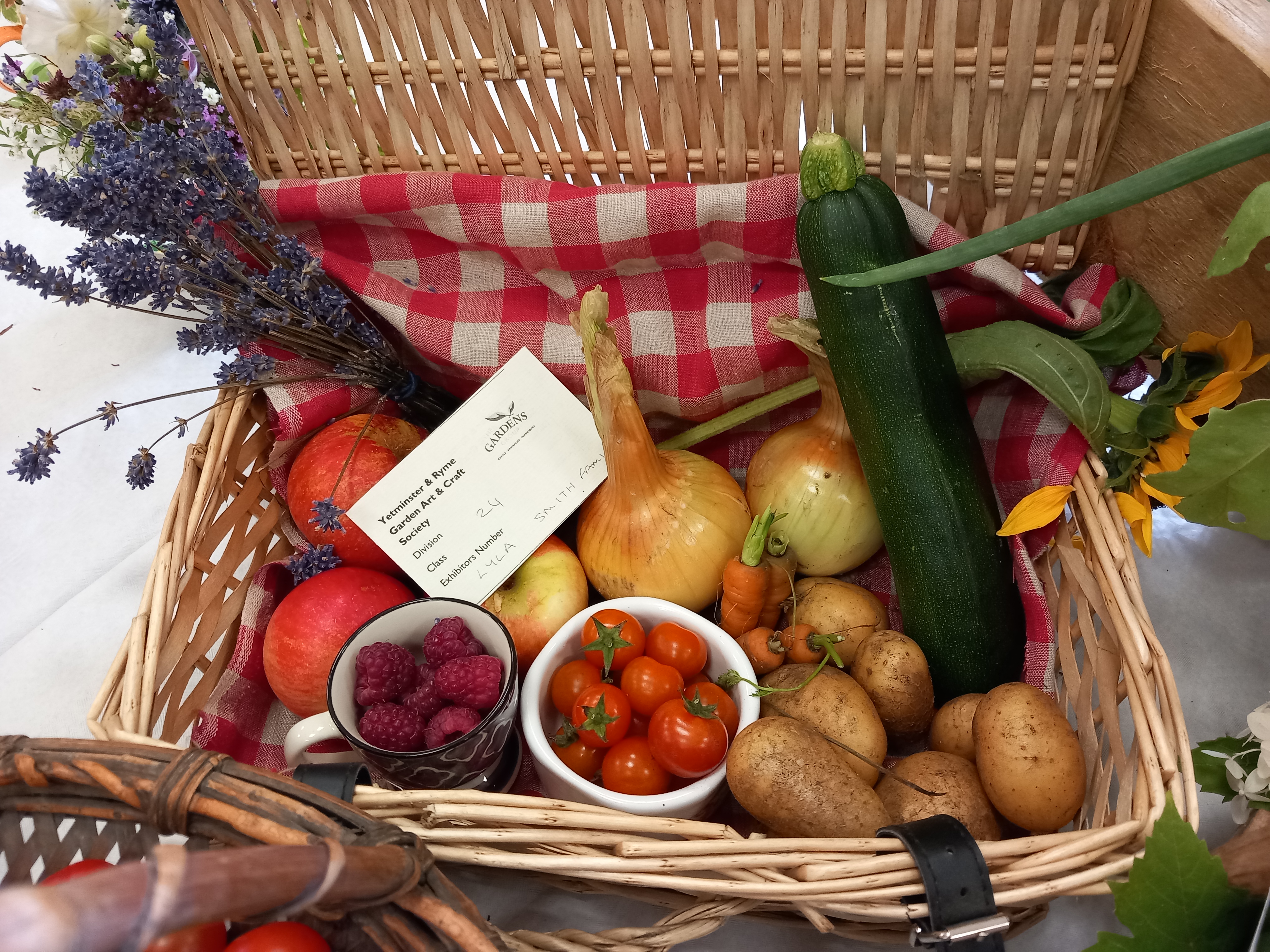
Class 24 My Garden in a Box
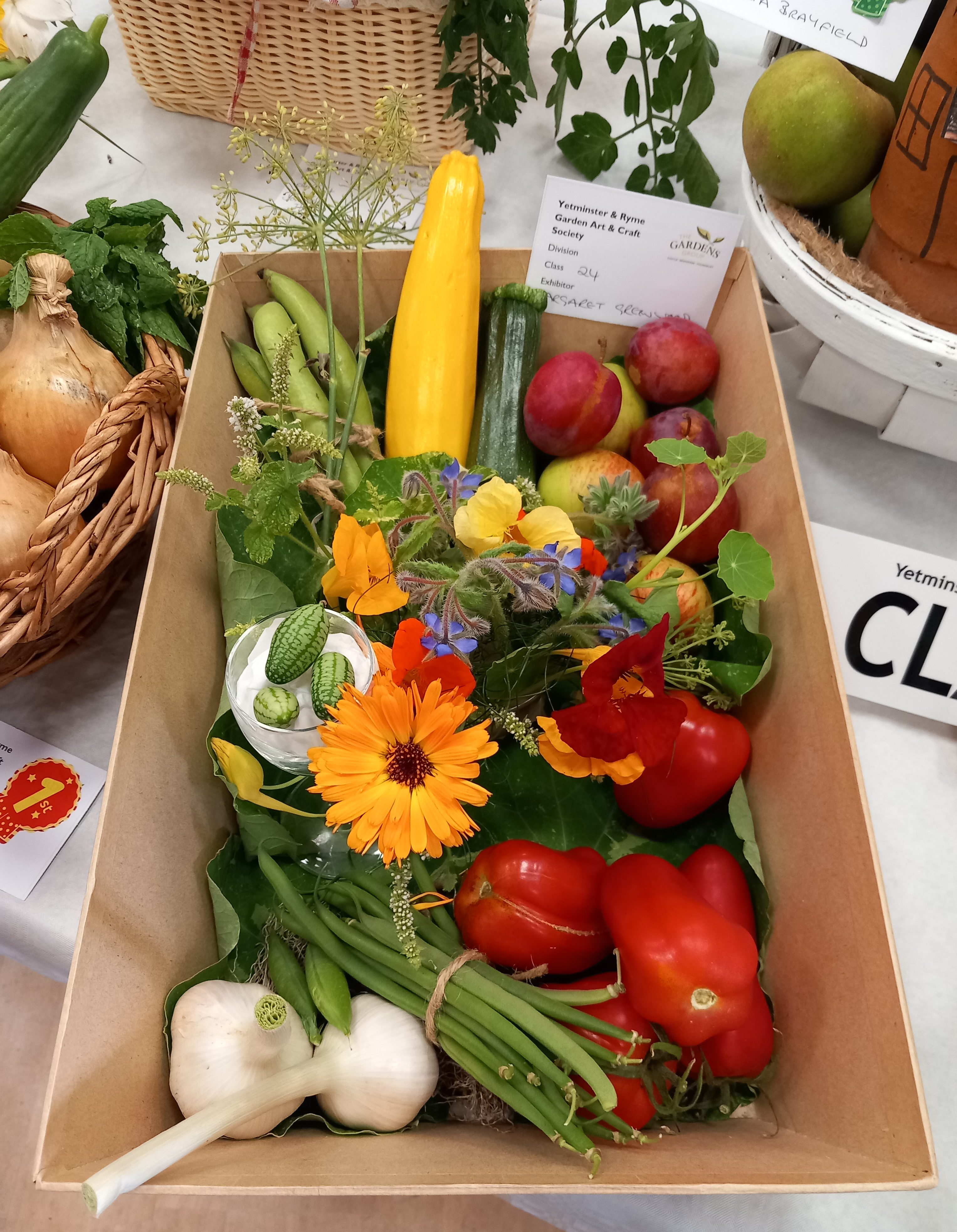
Class 24 My Garden in a Box
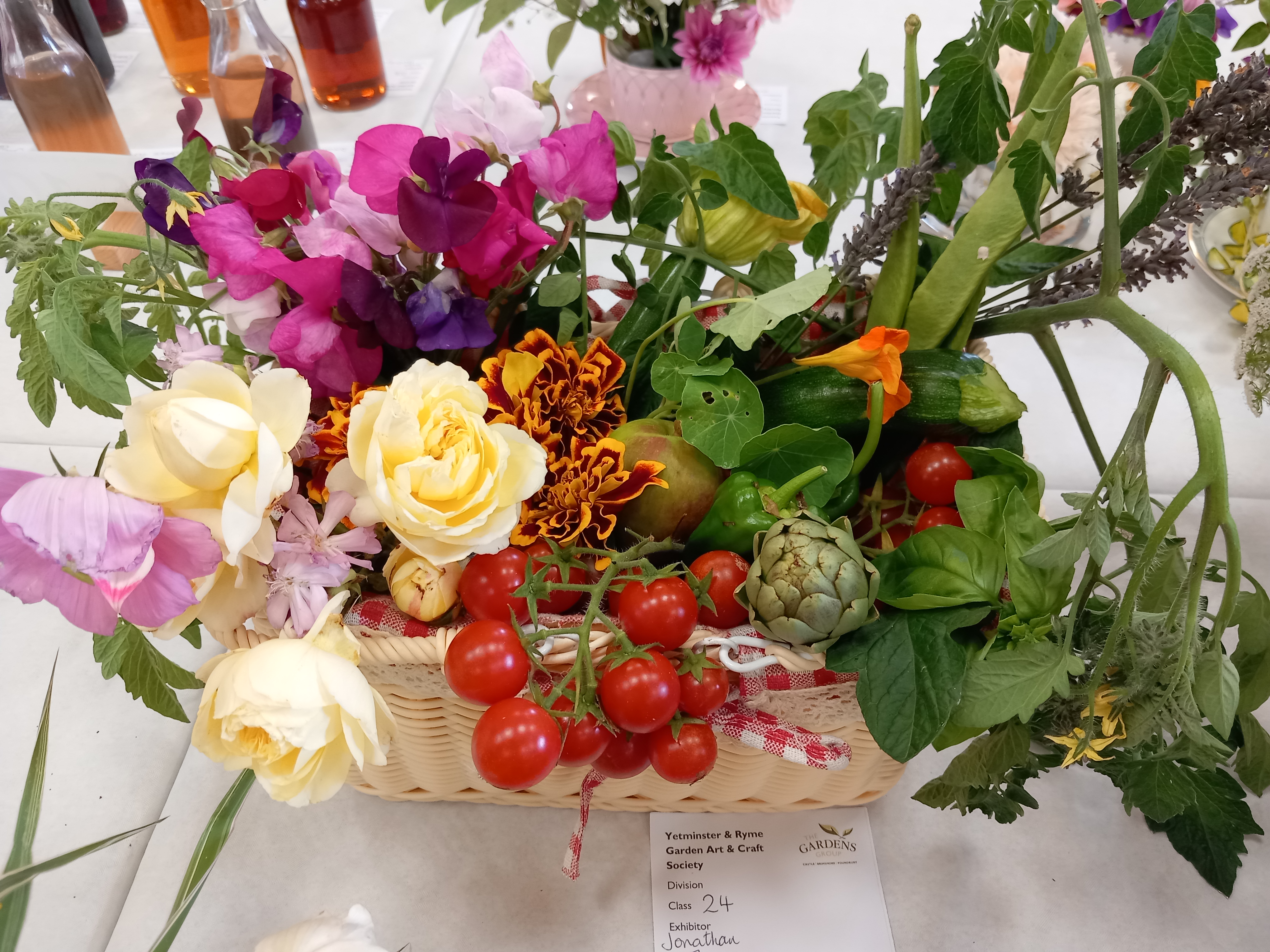
Class 24 My Garden in a Box
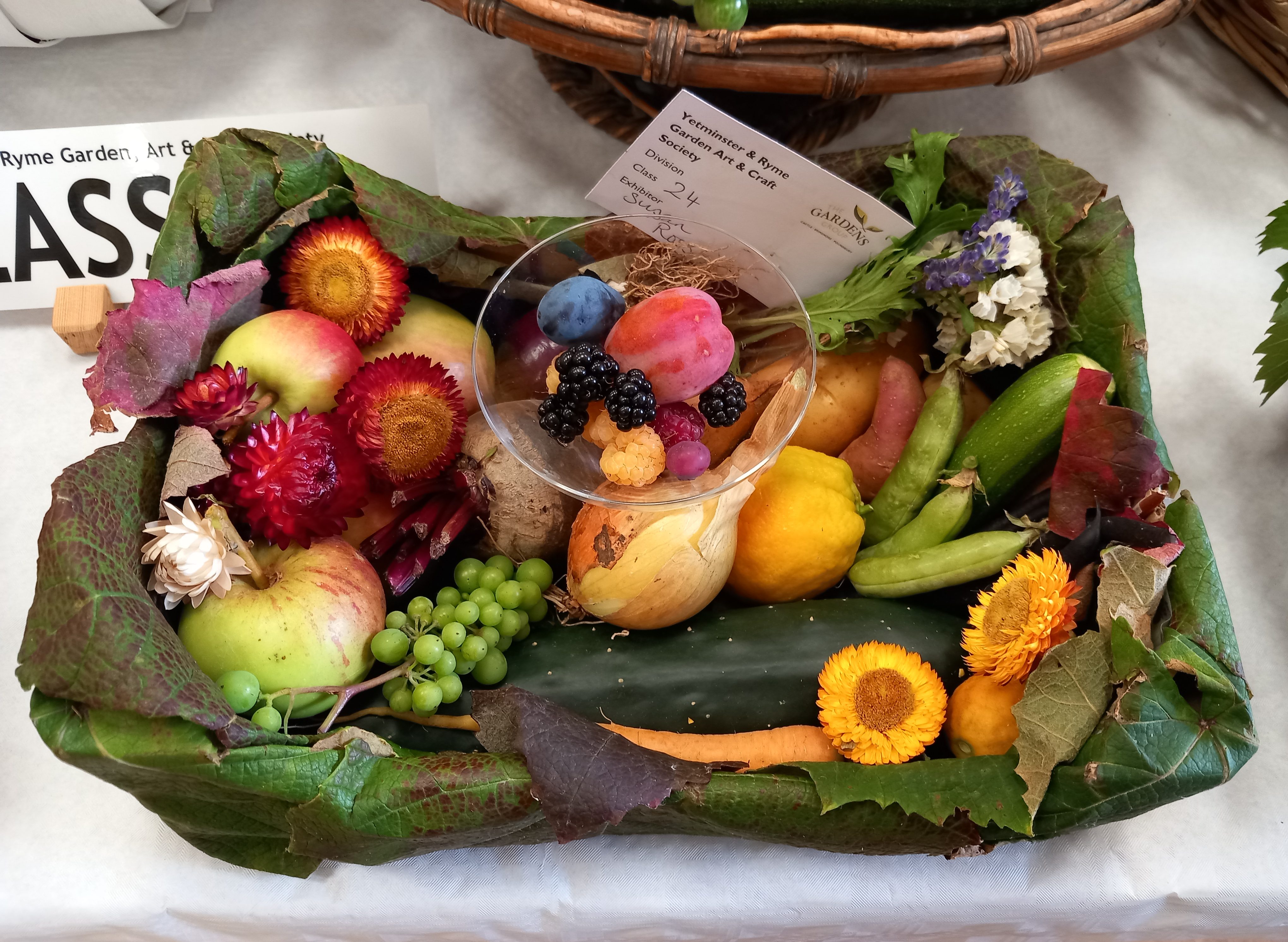
Class 24 My Garden in a Box
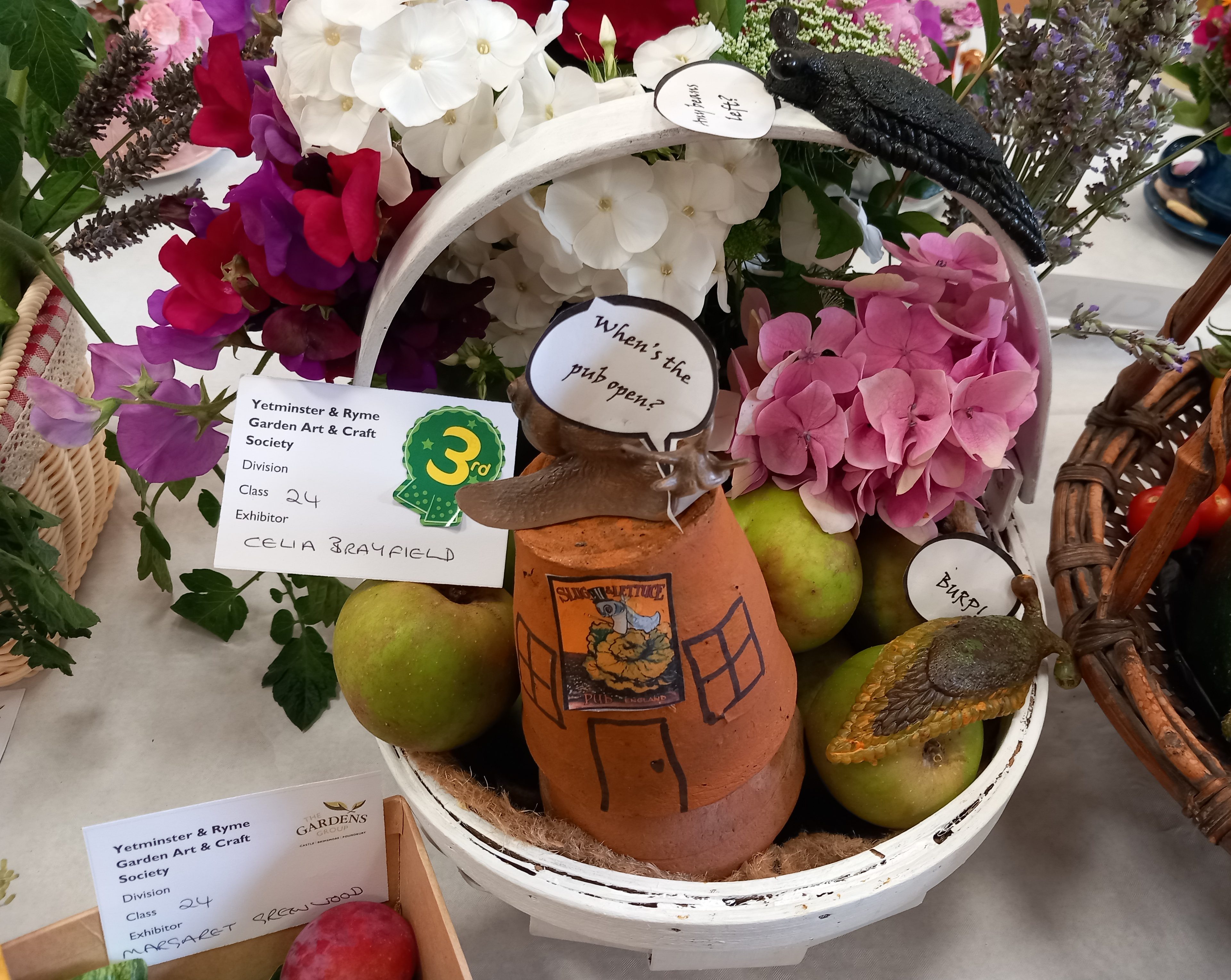
Class 24 My Garden in a Box
Third prize
Further reading:
Yetminster and Ryme Intrinseca Garden and Arts & Crafts Society here













 Planting Diaries